Mountain Gorilla Trekking in Rwanda: The Complete 2026 Guide
There are roughly 1,063 mountain gorillas left on Earth — and Rwanda is where the encounter is most refined. A complete 2026 guide to permits, fitness, timing, and the day itself.
By Gerry Mutabazi
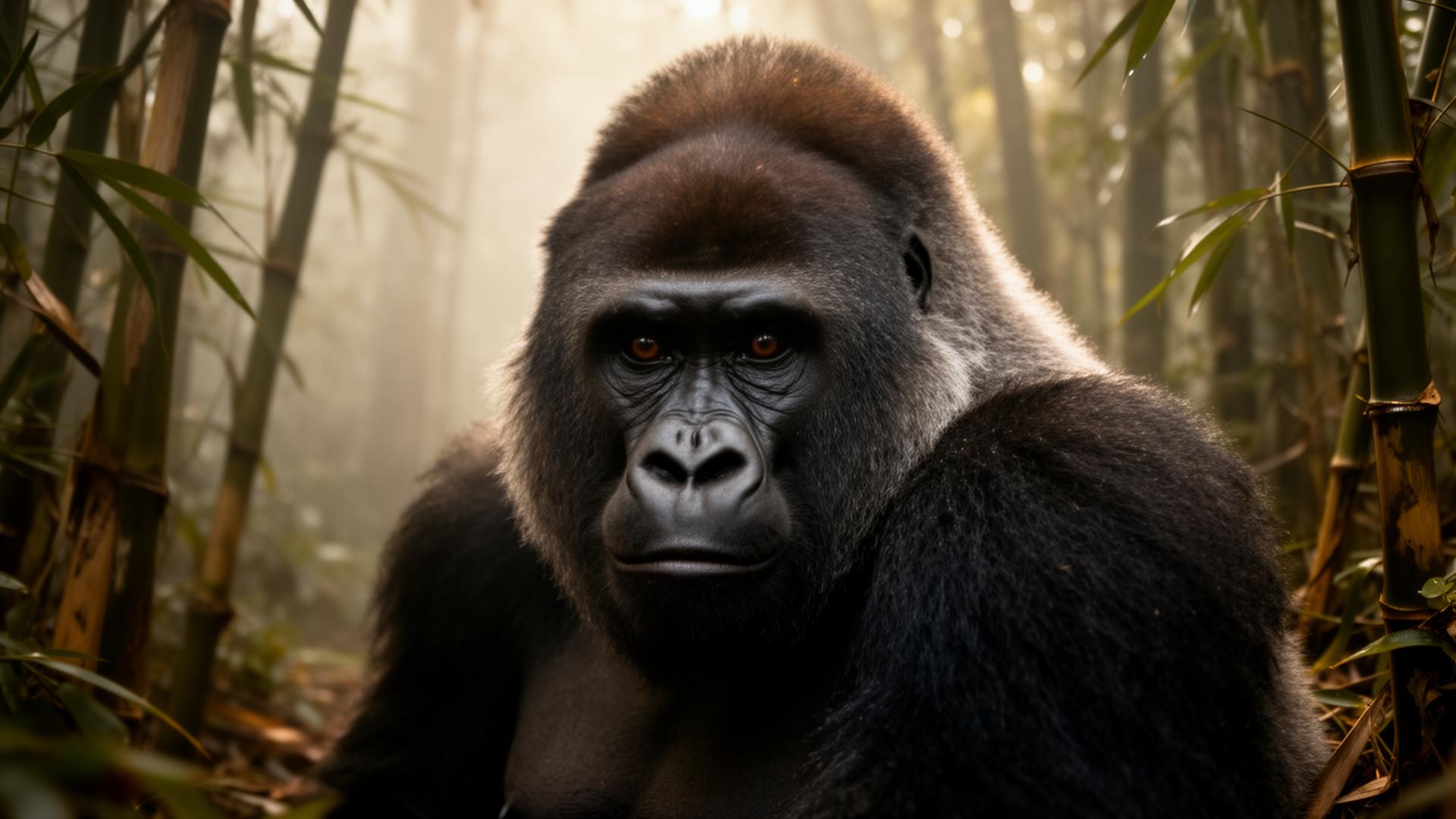
There are roughly 1,063 mountain gorillas left on Earth. Every single one of them lives in a tight arc of equatorial forest straddling the borders of Rwanda, Uganda, and the Democratic Republic of Congo. To sit in silence within a metre of a silverback — close enough to hear him breathe — is one of the rarest wildlife encounters the natural world offers.
Gorilla trekking in Rwanda is where that encounter is most refined, most accessible, and most responsibly managed. This guide covers everything you need to know: where gorillas live in Rwanda, how the trekking permit system works, what the experience is actually like on the day, the best time of year to go, and how to prepare for the trail.
Where Are Rwanda's Mountain Gorillas?
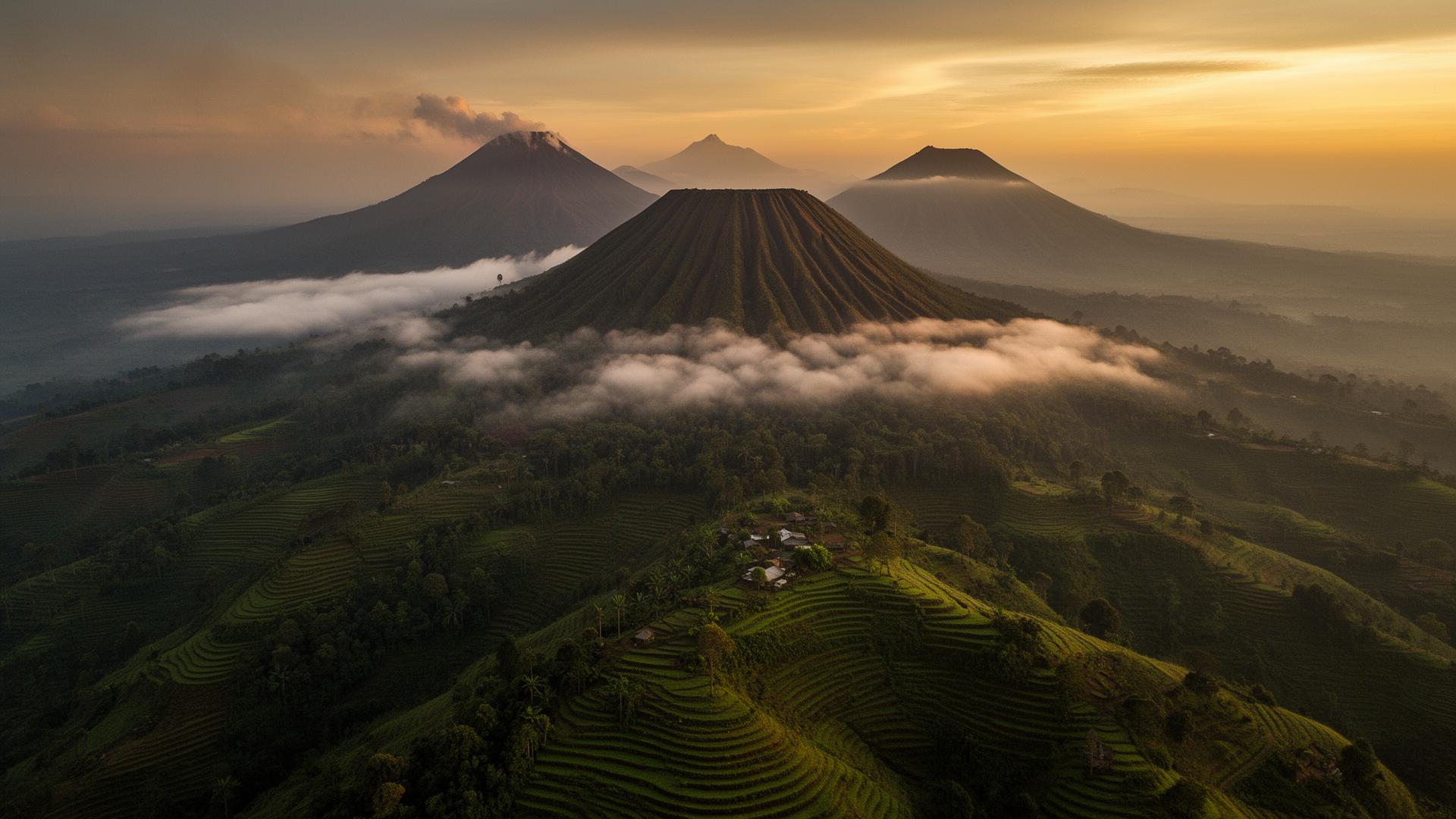
Rwanda's mountain gorillas live in Volcanoes National Park (Parc National des Volcans) in the north-west of the country, on the Rwandan side of the Virunga Massif — a chain of eight dormant and active volcanoes shared with Uganda and the DRC. The park covers 160 square kilometres and rises from 2,400 metres to the summit of Mount Karisimbi at 4,507 metres.
It was first gazetted in 1925, making it one of Africa's oldest protected areas, and it is the landscape made famous by primatologist Dian Fossey, whose work from the 1960s onward formed the scientific and conservation foundation for the gorilla recovery that followed.
As of the 2018 IUCN census — the most recent comprehensive population survey — mountain gorillas (Gorilla beringei beringei) number 1,063 individuals across both the Virunga range and Bwindi Impenetrable Forest in Uganda. In 2018, the IUCN downlisted the mountain gorilla from Critically Endangered to Endangered — the first time in history a great ape subspecies has improved its conservation status. Rwanda's Volcanoes National Park has been central to that recovery.
How Gorilla Trekking Works
Rwanda's Rwanda Development Board (RDB), the government tourism authority, manages gorilla trekking through a strict permit system. Each day, a limited number of trekking groups are permitted to visit the park's habituated gorilla families. Habituation is the process — conducted by researchers over years — of gradually acclimating a gorilla family to the presence of humans, so that encounters are calm and natural rather than disruptive.
On trek day, your group assembles at the park headquarters in Kinigi at around 7:00 AM. A park briefing covers behaviour rules: stay at least seven metres from the gorillas, no flash photography, keep voices low, follow the ranger's lead. You are then assigned to a specific gorilla family and guided into the forest by an RDB ranger and armed tracker.
The trek through the forest can last anywhere from 30 minutes to four hours, depending on where the family slept the night before — gorillas build new nests each evening and can move several kilometres overnight. Once you locate the family, you have exactly one hour with them.
That hour is, without exception, the hour that visitors describe as the most profound of their lives.
You are asked to remain seated or crouched. The gorillas move around you freely, entirely unperturbed. Juveniles may tumble within arms' reach. The silverback may look up from his foliage and regard you with an unhurried, ancient intelligence. The one-hour limit exists to protect the gorillas from stress and disease exposure; it also, paradoxically, makes the experience feel more precious.
Gorilla Trekking Permits: Cost and Booking
A gorilla trekking permit in Rwanda costs USD $1,500 per person and is issued directly by the Rwanda Development Board. That fee is non-negotiable and is the same regardless of which operator you book through. The permit covers park entry, ranger escort, and the one-hour visit with the gorilla family.
Permits for the peak dry season months — June, July, August, and December — routinely sell out six to twelve months in advance. Rwanda limits the number of trekking groups per day across all habituated families, which means supply is genuinely constrained. If you have a fixed travel window, booking your permits as early as possible is the single most important logistical step in planning your trip.
A reputable Rwandan operator — one with an existing relationship with RDB — can secure and hold permits on your behalf as part of a complete itinerary. This is the arrangement Gerry Tours & Safaris offers: permits are confirmed and held for your specific dates at the time of booking, removing the risk of arriving in Rwanda to find your preferred dates unavailable.
What Is the Gorilla Habituation Experience?
In addition to standard gorilla trekking, Rwanda's RDB offers a Gorilla Habituation Experience (GHEX) in Volcanoes National Park. Unlike the standard one-hour visit with a fully habituated family, the GHEX allows you to spend four hours with a gorilla group that is still in the multi-year habituation process — accompanied by researchers and trackers. It is a more demanding, more immersive, and arguably more extraordinary encounter. Permits for the GHEX are priced higher and are more limited.
Physical Fitness: What Level Is Required?
Gorilla trekking is a moderate to strenuous hike. You will be walking on uneven, often steep terrain through dense forest at altitudes between 2,400 and 3,000 metres. The ascent can be physically demanding, and the altitude affects some visitors.
That said, Volcanoes National Park operates gorilla trekking for guests across a wide range of fitness levels. Park rangers assign trekking groups to families based on fitness — families that range closer to the trailhead are designated for guests with lower mobility. Porters are available for hire at park headquarters and are highly recommended: they carry bags, offer a helping hand on steep sections, and contribute directly to local employment.
Best Time to Go Gorilla Trekking in Rwanda
Rwanda's equatorial position means gorillas can be tracked year-round. That said, two dry seasons offer the most comfortable trekking conditions:
- June to September — the long dry season. Peak season: trails are drier, paths are firmer, and photography conditions are generally better. Book permits at least six months in advance.
- December to February — the short dry season. Less crowded than the June–September peak, with good conditions and better permit availability.
- March to May and October to November — the rainy seasons. Trekking is more challenging — trails can be muddy and steep — but permits are easier to obtain and the forest is extraordinarily lush and atmospheric.
Rwanda's relatively compact size and the proximity of Volcanoes National Park to Kigali (approximately two hours by road) means that even short itineraries of four to five days can include a full gorilla experience alongside other activities.
What to Pack for Gorilla Trekking
- Sturdy waterproof hiking boots (already broken in)
- Long-sleeved shirt and long trousers in neutral colours (no bright colours or white)
- Rain jacket or waterproof layer (even in dry season, forest mornings are cool and damp)
- Gardening gloves or light hiking gloves (for gripping vegetation on steep sections)
- Gaiters or long socks tucked over trouser legs (protects against safari ants)
- Sun hat for the open sections before entering the forest
- Sunscreen and insect repellent
- 1–2 litres of water and snacks (the trek can run several hours)
- Camera — no flash. A long lens is useful but not necessary; encounters are close
- Small day pack (your porter will carry the bulk if needed)
A Final Note on Conservation
The $1,500 permit fee is not simply a tourism tariff — a significant portion of it is channelled directly into gorilla conservation and community benefit programmes under Rwanda's Revenue Sharing framework, which directs a portion of park revenue to communities living around Volcanoes National Park. This funding supports local schools, health centres, and infrastructure, creating the economic incentive that underlies the conservation success. When you trek with gorillas in Rwanda, you are contributing directly to the reason they still exist.